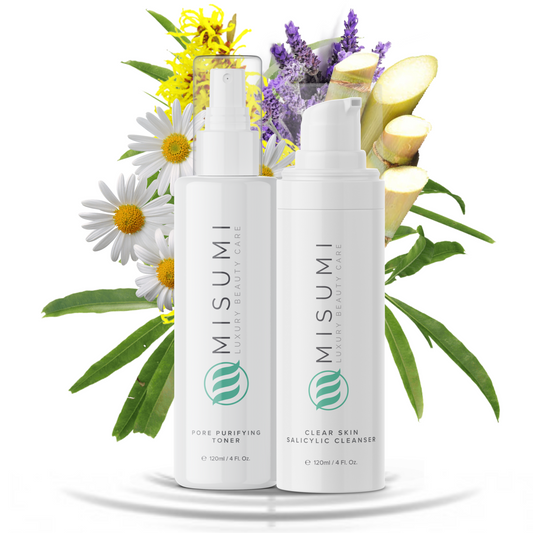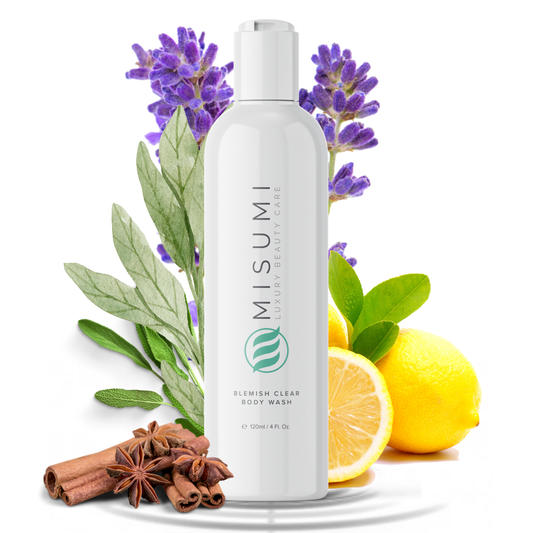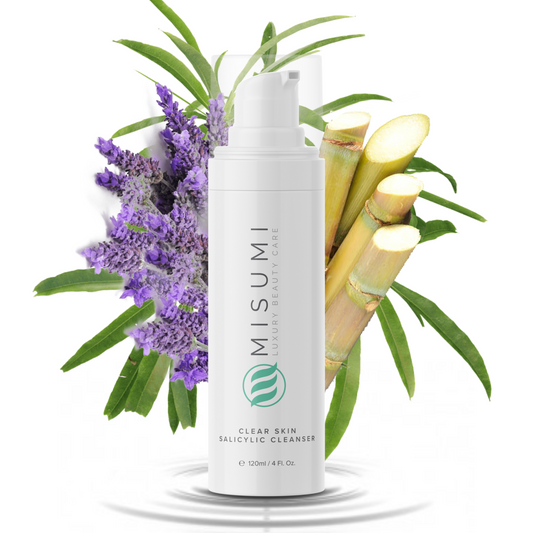

Skin care is extremely important for your overall health, not just your appearance. Your skin is closely connected to the rest of your body, and issues with it may cause other health problems down the line if left unchecked.
Acne is one of the most common types of skin disease, and it causes a lot of discomfort for people, especially teenagers and young adults. But you should not worry about it too much (especially since stress can amplify acne!), as treatments are well-established and generally affordable. One thing to know, though, is that it may vary depending on the cause of the condition. That is why it may take some time to establish a working treatment for you; planning is recommended, and it is always advisable to consult specialists if possible.
Usual Causes for Acne
Acne is a type of skin condition characterized by blackheads, whiteheads, pimples, and, sometimes, acne cysts or nodules. It usually affects teenagers during and after puberty, and can be quite persistent, while also affecting adults in some cases.
Acne usually appears when your pores become blocked by excess oil and dead skin cells. Once a pore is clogged, it can swell and become irritated, which lets bacteria grow inside and creates a breakout that looks red and inflamed.
Some people are simply more prone to acne due to genetics, but environmental factors and bodily changes also play a role. Hormone imbalances are a big one (it happens during puberty, periods, and pregnancy) because they can increase oil production. Diet can also affect some people, especially sugary and carbon-rich foods and dairy. Stress is another cause of increasing skin alterations, as well as rubbing or irritation.
Recommended Treatment for Acne
Dermatologists study acne to determine the appropriate treatment for each case. The actual solution might differ due to varying underlying causes and individual characteristics.
There exist two main types: topical treatments (applied directly to the skin) and oral medications. Then, each is subdivided into several types of actual things to use. Treatments applied to the skin are retinoids, which unclog pores and normalize skin condition. Sometimes antibiotics are used to treat bacterial infections; benzoyl peroxide also kills bacteria and reduces inflammation. As for oral treatments, those are usually either antibiotics applied orally or a part of hormonal therapy.
Dermatologists will help determine the appropriate care in each case and oversee the treatment process.
Finding a Working Skin Care Routine for Treating Acne
Individual features make everyone’s skin unique, and specialists will often have to conduct several treatments before finding the root cause and determining what works best. For example, one may start with applying retinoids for 2-3 months, with intermittent results, only to find that the hormonal imbalance should be treated first. Or diet and lifestyle might be the primary reasons acne appears and takes root, so fixing that could take several months at least.
Finding your own treatment is possible if you cannot visit a dermatologist, but there are guidelines to follow to do it successfully. Each product you use has to be applied consistently for 6-8 weeks. You should not mix and mash those, because it can nullify the effects of the treatments, and if it does work, you would not be sure which product actually did the job.
If one solution does not work, you should probably try another over the next several weeks. To combat a problem as complex as acne, a trial-and-error approach is acceptable, and unsuccessful treatments should be considered part of the exploration. It may take about 2 months for each type of treatment, so you should plan for 2-6 months in total.
Expenses Necessary for Acre Treatment and Average Costs
To find the necessary treatment that works for you, and to go through with it and have your skin clear consistently, you should ideally have a lump sum of money upfront. You want to make sure it is available not only to get that first treatment recommended, but also switch it if needed.
Daily routines involving cleansers, toners, and treatments can cost $30–$60 per month. Then, prescription treatments like retinoids cost around $400-$700, and antibiotics you may find for $50–$150 per month. A dermatologist visit will cost about $200-$300 for an initial consultation, and $100-200 for follow-ups. Some procedures like laser treatment are priced at $200-$300 per. Also, due to the trial-and-error involved in finding the right combination, it may take several of the items mentioned. So, the total cost to alleviate acne could be just $300 or so, or go as high as $1,200 over half a year, or more, depending on the severity of the case.
Having money saved up is a good idea because the complex nature treatment can take. To get enough to deal with acne once and for all, one could try to save up at least $1,000 just to be sure.
You may also apply for a loan as an alternative financing for your skincare expenses. This option might help you split the costs if the initial treatment does not pan out, to ensure you will have enough to find the right one at the end. Also, it is better if your dermatologist has you undergo a more complex procedure from the get-go. Either way, the process will be easier if you have enough money for any contingency along the way. Here is hoping you will deal with acne as quickly as possible!