
Living in Arizona changes your standards. You stop buying things that can’t handle the sun and you stop layering products that melt by noon. You start paying attention to fabric, metal and to ingredients.
When you live somewhere that sees around 300 sunny days a year, with summer temperatures regularly climbing above 100°F, beauty becomes practical. The heat forces clarity and what works stays. What doesn’t, disappears from your routine.
Desert minimalism isn’t sparse. It’s selective. And in Arizona, skincare, clothing, and jewelry are part of the same conversation.
The Climate Is the Starting Point
Phoenix averages more than 110 days per year above 100°F. The UV Index frequently reaches 8, 9, and even 11 during summer. Anything above 6 is considered high risk for unprotected skin.
Sun exposure is responsible for up to 90% of visible skin aging, according to research cited by the Skin Cancer Foundation. Fine lines, uneven pigmentation, loss of elasticity. Most of it traces back to UV damage.
Then there’s dryness. Phoenix’s average relative humidity sits around 36%, often dropping much lower in peak summer. Low humidity increases transepidermal water loss, meaning your skin loses moisture faster than it can hold onto it.
So when we talk about luxury in Arizona, we’re talking about protection, breathability and longevity.
Skincare That Works With the Heat Not Against It
Heavy routines feel good in air conditioning, but they fail outside. In desert heat, skincare has to be layered with intention.
Barrier First
Your skin barrier is your frontline defense. Ceramides make up about 50% of the lipids in that barrier. When they’re depleted, dryness intensifies and irritation increases.
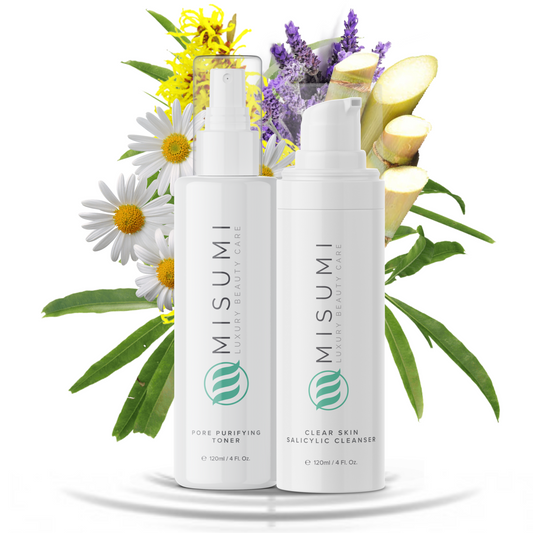
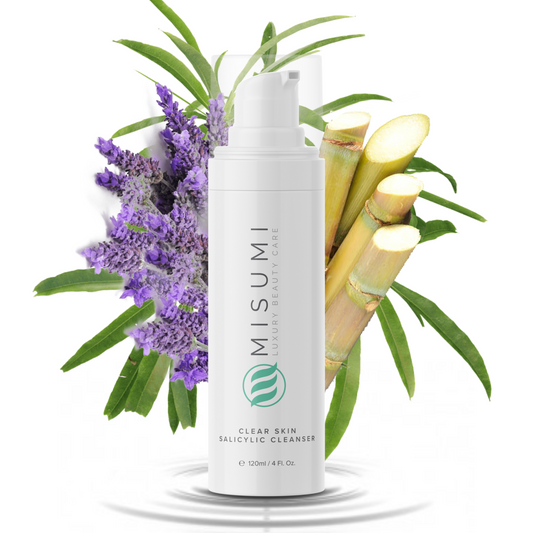
A gentle cleanser. A hydrating serum with humectants like hyaluronic acid and glycerin. A moisturizer with ceramides, cholesterol, and fatty acids to seal it in.
That combination reduces water loss and helps skin stay stable through dry afternoons. Hydrated skin reflects light more evenly. It looks smoother, calmer, and frankly, more expensive.
SPF Is Structural, Not Optional
Daily sunscreen reduces the risk of squamous cell carcinoma by about 40% and lowers melanoma risk by 50% when used consistently. Those are measurable outcomes.
In Arizona, SPF 30 is the minimum. Many dermatologists recommend SPF 50 for prolonged outdoor exposure. The key is wearability. If it feels thick or greasy in 105°F weather, you won’t reapply. A lightweight, breathable formula becomes part of your uniform.
And that uniform extends beyond skincare.
Clothing Is Skincare in Arizona
In this climate, what you wear is part of your protection strategy.
Dermatologists regularly emphasize that tightly woven fabrics can significantly reduce UV penetration. Ultraviolet Protection Factor, or UPF, clothing is designed specifically for this purpose. UPF 50 fabric blocks about 98% of UV rays.
Natural fibers like linen and lightweight cotton breathe well, but weave density is just as important as material. A sheer white top may feel cool, but it offers minimal UV protection.
High-quality, structured linen, densely woven cotton and technical fabrics designed for sun exposure become luxury choices because they perform. When fabric allows airflow while shielding skin, you reduce both heat stress and sun damage. And that means slower aging.
Long sleeves in summer sound counterintuitive until you’ve lived through an Arizona July. Loose, airy silhouettes create a layer between skin and sun without trapping heat. Covered skin doesn’t need as much sunscreen reapplication. It experiences less direct UV damage.
Minimalism here looks intentional, but it’s strategic.
Jewelry in Extreme Heat
Metal behaves differently in desert climates. Lower humidity means less corrosion than coastal cities, but extreme heat still changes how jewelry feels on your skin. Heavy pieces can trap sweat. Friction increases. Cheap plating fades faster under constant UV exposure.
That’s why quality matters more here. Luxury jewelry earns its place in Arizona because it lasts. It handles the brightness. It keeps its finish. It doesn’t look tired after one summer.
Solid Gold Over Plated
High-karat gold resists tarnishing and holds its color over time. In intense sunlight, gold warms beautifully against sun-exposed skin. It doesn’t flake. It doesn’t discolor easily.
When you live somewhere with nearly 300 days of sun each year, investment pieces simply outperform trend accessories. The difference shows up fast.
Diamonds and Light
Arizona light is bright, warm and direct. There’s no softness at noon. Well-cut quality diamonds thrive in that environment. They reflect and refract strong sunlight cleanly, without needing exaggerated size.
Cut and clarity matter more than scale. A thoughtfully selected diamond necklace or a pair of studs from a trusted Scottsdale jewelry store will outshine oversized stones with poor craftsmanship.
Minimal jewelry paired with healthy, hydrated skin creates contrast. Gold against even-toned shoulders. Diamond studs next to smooth cheeks.
Nothing excessive. Just refined.
Skin, Fabric, Metal: They Interact
Your skincare routine affects how clothing sits on your body. Overly greasy products can stain silk or satin. Heavy creams can make lightweight fabrics cling in the heat. On the other hand, balanced hydration allows clothing to move naturally. Skin feels comfortable. Breathable fabrics glide instead of sticking.
Jewelry interacts too. Dehydrated skin can make rings feel tighter. Heat causes mild swelling, especially in fingers and ankles. Lightweight, well-fitted pieces become more comfortable in high temperatures.
When your barrier is healthy and inflammation is low, everything fits better. Clothing drapes better and jewelry rests comfortably.
Effortless Comes From Discipline
There’s a misconception that effortless luxury happens naturally. It doesn’t.
It’s a daily sunscreen. It’s choosing long sleeves at 102°F because you understand cumulative UV damage. It’s investing in jewelry that won’t degrade under constant sun exposure.
The American Academy of Dermatology notes that cumulative sun exposure over time significantly increases skin cancer risk. That accumulation is invisible day to day but it shows up years later.
So the Arizona woman who looks polished isn’t lucky. She’s consistent. She hydrates. She protects. She selects fabrics that shield without suffocating and wears gold and diamonds that complement sun-warmed skin.
In a climate this intense, that’s what luxury looks like.