
Your skin is your body's largest organ, and maintaining its health requires more than over-the-counter products. For Austin residents dealing with persistent acne, suspicious moles, or chronic skin conditions, professional dermatological care can make the difference between temporary fixes and lasting solutions. The city's growing healthcare landscape includes numerous dermatology practices, but finding the right specialist for your specific needs requires careful consideration.
Whether you're managing a chronic condition like eczema or seeking preventive skin cancer screenings, understanding what distinguishes exceptional dermatological care helps you make informed decisions about your health. This guide examines the key factors to consider when selecting a dermatologist in Austin, from credentials and specializations to the latest treatment innovations available in the area.
The Value of Professional Skin Care
Dermatologists complete extensive medical training—four years of medical school followed by a specialized residency—to diagnose and treat over 3,000 conditions affecting skin, hair, and nails. According to the American Academy of Dermatology, this expertise proves essential for conditions that extend beyond cosmetic concerns.
Professional dermatological care offers several distinct advantages:
- Accurate Diagnosis: Skin conditions often present similar symptoms but require different treatments. Dermatologists use their training to distinguish between conditions that might appear identical to untrained eyes.
- Evidence-Based Treatment: Rather than trial-and-error approaches, dermatologists develop treatment plans based on clinical research and your specific skin type, medical history, and lifestyle factors.
- Early Detection: Regular skin examinations can identify precancerous lesions and melanomas in their earliest, most treatable stages. The Skin Cancer Foundation reports that early detection dramatically improves survival rates.
- Access to Prescription Treatments: Many effective treatments for conditions like severe acne, rosacea, and psoriasis require prescription medications unavailable over the counter.
For those managing persistent skin concerns, establishing a relationship with a qualified dermatologist creates a foundation for long-term skin health rather than reactive crisis management.
Evaluating Dermatologists: What Matters Most
Selecting a dermatologist involves more than proximity to your home or office. The right match depends on your specific needs, the complexity of your condition, and the type of care you're seeking. Consider these essential factors:
- Board Certification: Verify that your dermatologist is certified by the American Board of Dermatology. This certification requires passing rigorous examinations and maintaining continuing education requirements.
- Subspecialty Training: Some dermatologists complete additional fellowships in areas like Mohs surgery for skin cancer, pediatric dermatology, or cosmetic procedures. Match their expertise to your needs.
- Hospital Affiliations: Dermatologists affiliated with reputable hospitals typically meet higher credentialing standards and have access to multidisciplinary care teams when needed.
- Communication Style: Effective dermatological care requires clear communication. During initial consultations, assess whether the dermatologist listens carefully, explains conditions in understandable terms, and involves you in treatment decisions.
- Technology and Techniques: Modern dermatology incorporates advanced diagnostic tools like dermoscopy for mole evaluation and innovative treatments such as biologics for psoriasis. Practices that invest in current technology often deliver more precise care.
Insurance coverage also plays a practical role in your decision. Verify that your prospective dermatologist accepts your insurance plan and understand any out-of-pocket costs for specific procedures before committing to treatment.
Dermatological Excellence in South Austin
South Austin's residential growth has brought increased access to specialized healthcare, including dermatology practices serving neighborhoods from Barton Hills to Circle C. The convenience of local care matters particularly for conditions requiring frequent monitoring or ongoing treatment series.
When evaluating dermatologists in South Austin, geography intersects with several practical considerations:
- Appointment Availability: Practices closer to home typically make it easier to schedule early morning or late afternoon appointments that minimize work disruptions.
- Emergency Access: For urgent concerns like sudden rashes or suspected infections, nearby practices can often accommodate same-day or next-day appointments.
- Treatment Continuity: Procedures like acne treatment series, phototherapy for psoriasis, or regular skin cancer screenings require consistent follow-through that's easier to maintain with a conveniently located provider.
- Community Integration: Dermatologists practicing in South Austin often develop relationships with other local specialists, facilitating referrals when conditions require multidisciplinary care.
For comprehensive dermatological care in South Austin, Revelus Dermatology provides both medical and cosmetic treatments through a patient-centered model focused on individualized care plans. Comparable practices such as Westlake Dermatology and Sanova Dermatology also offer integrated dermatology and aesthetic services tailored to a wide range of skin health concerns.
Innovations Shaping Austin Dermatology
Austin's position as a healthcare innovation hub extends to dermatology, where practices increasingly adopt technologies that improve diagnostic accuracy and treatment outcomes. Recent advances have transformed care for conditions once considered difficult to treat.
Current innovations available in Austin include:
- Artificial Intelligence in Skin Cancer Detection: Some practices now use AI-powered imaging systems that analyze moles and lesions, helping dermatologists identify suspicious features that warrant biopsy. Research published in Nature demonstrates that these systems can match or exceed human expert accuracy.
- Targeted Biologic Therapies: For conditions like severe psoriasis and atopic dermatitis, biologic medications target specific immune system pathways, offering relief for patients who haven't responded to traditional treatments.
- Fractional Laser Technology: Advanced laser systems treat sun damage, scarring, and signs of aging with greater precision and less downtime than earlier generation devices.
- Personalized Acne Protocols: Rather than one-size-fits-all approaches, dermatologists now develop customized treatment combinations based on acne type, severity, skin sensitivity, and patient lifestyle factors.
These technological advances complement rather than replace the clinical judgment that comes from years of training and experience. The most effective dermatologists combine cutting-edge tools with thorough patient evaluation and evidence-based treatment selection.
Locating Qualified Dermatologists in Your Area
Finding a dermatologist near you begins with understanding your options and the resources available for evaluating them. Multiple channels provide information, though they vary in reliability and depth.
Effective search strategies include:
- Professional Directories: The American Academy of Dermatology's "Find a Dermatologist" tool allows searches by location and specialty, listing only board-certified practitioners.
- Insurance Provider Networks: Your insurance company's website lists in-network dermatologists, helping you avoid unexpected costs. Call to verify current network status before scheduling, as these lists sometimes lag behind actual changes.
- Primary Care Referrals: Your family doctor often knows reputable dermatologists in the area and can provide referrals based on your specific condition and needs.
- Patient Review Platforms: Sites like Healthgrades and Zocdoc aggregate patient experiences, though remember that reviews skew toward extremes—very satisfied or very dissatisfied patients are most likely to post.
When researching dermatologists, look beyond star ratings to read detailed reviews that discuss wait times, staff professionalism, and whether the dermatologist took time to address concerns thoroughly. Patterns across multiple reviews often reveal more than individual comments.
What to Expect During Your Dermatology Visit
Understanding the typical structure of dermatology appointments helps you prepare effectively and make the most of your time with the specialist. First visits differ from follow-up appointments, with initial consultations focusing on comprehensive evaluation.
A typical first appointment includes:
- Medical History Review: Expect detailed questions about your skin concerns, previous treatments, family history of skin conditions or skin cancer, medications, and allergies. Bring a list of current medications, including supplements.
- Full Skin Examination: For skin cancer screenings or complex conditions, dermatologists examine your entire body, not just problem areas. This comprehensive approach helps identify issues you might not have noticed.
- Diagnostic Procedures: Depending on your concerns, the dermatologist might perform a biopsy, take clinical photographs for monitoring changes over time, or use specialized tools like a dermatoscope to examine suspicious lesions more closely.
- Treatment Planning: Rather than immediately prescribing treatment, experienced dermatologists discuss options, explain the reasoning behind their recommendations, and consider your preferences and lifestyle when developing a plan.
Come prepared with questions about your condition, treatment alternatives, expected timelines for improvement, and potential side effects. Taking notes or bringing someone to help remember information can be valuable, especially when discussing complex conditions or multiple treatment options.
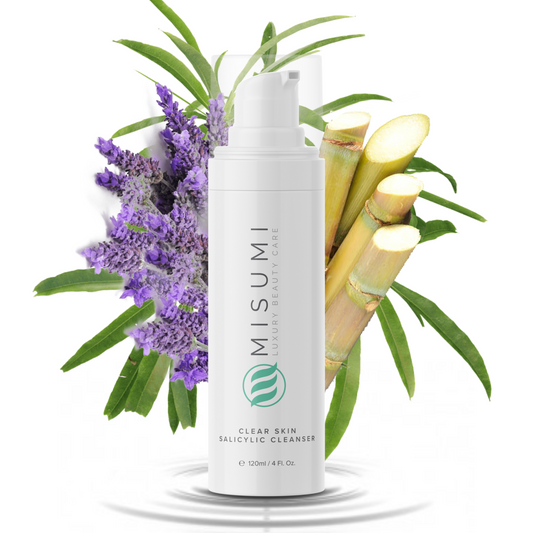
For those managing acne-prone or oily skin between dermatology visits, quality skincare products designed for these specific concerns can complement professional treatment. However, always discuss new products with your dermatologist to ensure they won't interfere with prescribed treatments.