
Summer swimwear sits at the intersection of fashion, sun exposure, and skin chemistry, and the swimwear choices that look great on the rack do not always protect the skin underneath them. Chlorine, salt water, sweat, sunscreen residue, and synthetic fabrics all stack on the skin during a summer beach or pool day, and the combination is one of the more reliable triggers for back-acne, chest-acne, and the fungal-acne breakouts that surface in the warm-weather months. The summer swimmers who treat the swimwear and the skincare routine as a single connected decision tend to come out of the season with clearer skin than the swimmers who treat them as separate.

Photo by Vika Glitter on Pexels
The selection of summer swimwear and similar warm-weather swim pieces has expanded considerably in recent seasons, with cleaner construction, better fabric blends for the chlorine-and-salt environment, and more cuts that work for different body lines. The summer swimmers who think about the fabric, the cut, and the post-swim routine before the season begins tend to wear the same two or three pieces across the summer rather than rotating an over-bought collection that compromises on the skin-protection side.
Why Does Swimwear Choice Matter for Summer Skin?
The skin under swimwear lives in a different micro-environment than the skin elsewhere on the body across a typical summer day, and the swimwear choices shape that micro-environment more than most swimmers realise.
The factors that shape the swimwear-and-skin interaction:
-
Fabric chemistry. Chlorine-resistant polyester and PBT blends hold up to repeated pool exposure; nylon-elastane blends feel softer but degrade faster in chlorine. The fabric blend predicts both the swimwear's lifespan and the way it sits on the skin after multiple wears.
-
Drying time after the swim. Damp swimwear left on the skin for several hours after exiting the pool or beach is a classic fungal-acne trigger. Quick-drying fabrics or a change into dry clothing within 30 minutes of the swim is the simple prevention.
-
Cut and friction points. Tight straps, ill-fitting bands, and edges that cut into the skin cause repeated friction that combines with sweat to produce mechanical-acne and post-inflammatory pigmentation.
-
Sun exposure planning. Swimwear leaves significant areas of skin exposed; the swimsuit-shaped tan-and-burn pattern is a long-term skin-cancer-risk concern the Skin Cancer Foundation's sun-protection guidance addresses with specific reapplication and coverage recommendations.
A definition useful here: a body-acne trigger is any environmental or chemical factor that promotes the bacterial, fungal, or inflammatory conditions that produce acne on the chest, back, shoulders, or buttocks. Summer-specific triggers include trapped sweat under tight swimwear, chlorine residue left on the skin, prolonged damp-fabric contact, and sunscreen-and-sweat layering that clogs pores. The clinical detail on each of these mechanisms is covered in the treating body acne page, which describes the bacterial-and-inflammatory pathway in more depth than the swimwear-side framing here can.
What Should Summer Swimmers Look For When Choosing Swimwear?
A short checklist for choosing summer swimwear with skincare in mind:
-
Quick-drying fabric. Polyester and PBT blends dry in 30 minutes or less after a swim; cotton blends and rayon take 2 to 4 hours and trap moisture against the skin.
-
Chlorine-resistance for pool swimmers. Frequent pool swimmers should pick chlorine-resistant blends that survive 100+ wear cycles rather than cotton-blend pieces that degrade in 10 to 20 swims.
-
Smooth seams and bands. Flat-locked seams and wide elastic bands distribute pressure across more skin and reduce the friction-irritation that triggers mechanical breakouts.
-
A cut that the wearer actually wears. A swimsuit chosen on photograph alone often goes unworn after the first try-on; the cut should match the wearer's actual swim activity (lap-swim, beach lounging, water sports) rather than the photographed aesthetic.
-
Sun-protective coverage where it matters. Long-line one-pieces, high-neck rash guards, and swim leggings cover the back, shoulders, and upper chest where most sun damage accumulates over the years.
-
Compatible with the skincare routine. Some swimwear fabrics react with mineral sunscreens (zinc oxide, titanium dioxide) by leaving residue marks; the American Academy of Dermatology's acne skin-care recommendations address the cleanser-and-sunscreen pairing for skin prone to breakouts.
What Common Mistakes Do Summer Swimmers Make Around Skin Care?
A short list of recurring mistakes that surface in dermatology consultations:

-
Wearing damp swimwear for hours after the swim. Damp fabric on warm skin is a fungal-acne trigger; a quick rinse and a change into dry clothing within 30 minutes resets the micro-environment.
-
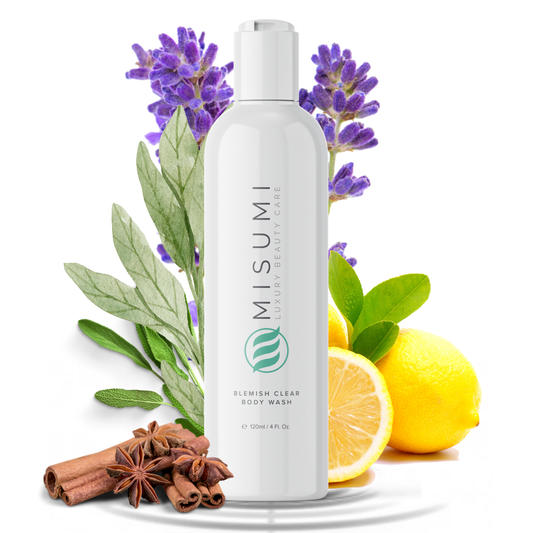
Skipping the post-swim cleanse. Chlorine and salt residue should be rinsed off promptly. A gentle body wash with salicylic acid or benzoyl peroxide once or twice a week through the summer addresses the residue accumulation and the trapped-sweat pore-clogging.
-
Reusing sunscreen-saturated swimwear without a wash. Sunscreen residue absorbs into swim fabric and concentrates on the skin during the next wear. Rinsing the swimwear after each use and washing properly weekly reduces the buildup.
-
Ignoring the friction points. A swimsuit that pinches at the bra-line band, the leg openings, or the strap area produces repeated micro-irritation that triggers mechanical-acne or post-inflammatory pigmentation. Adjusting the fit or switching cuts addresses the source.
-
Layering oily sunscreens under tight swimwear. Heavy oil-based sunscreens trap under swimwear and intensify the pore-clogging risk. Lightweight gel or fluid sunscreens designed for body acne sit better under swim fabric.
-
Forgetting the post-summer reset. The summer skin routine often shifts from the year-round routine, and the post-summer return to a heavier cleanser, retinoid use, or chemical-exfoliant cycle takes deliberate planning rather than just letting the routine drift back.
How Should Summer Swimmers Plan the Post-Swim Routine?
The post-swim routine is the smaller half of the swimwear-and-skin equation, but it carries a meaningful share of the eventual skin outcome.
The standard post-swim sequence:
-
Rinse within 30 minutes of exiting the water. A 60-second freshwater rinse removes most chlorine and salt residue and meaningfully reduces the post-swim skin reaction.
-
Change into dry clothing. Damp swimwear staying on for the post-swim car ride, the lunch, or the afternoon nap is the single most common fungal-acne trigger.
-
Cleanse properly within the same evening. A targeted body wash for acne-prone skin (salicylic acid 2 percent or benzoyl peroxide 4 to 5 percent) once or twice a week keeps the residue accumulation manageable.
-
Reapply moisturiser and any prescription topicals. Summer skin dehydrates faster than winter skin; the moisturiser-and-treatment routine often needs a lighter texture but should not be skipped.
-
Wash the swimwear properly. A gentle hand-wash or a delicates cycle removes the sunscreen-and-residue accumulation that builds up across multiple wears.
Frequently Asked Questions From Summer Swimmers
How often should summer swimwear be washed?
After every wear in chlorinated pools or salt water; after every 1 to 2 wears in fresh water. The build-up of sunscreen, sweat, and chemical residue on the fabric increases over multiple wears and concentrates on the skin during the next swim.
Does swimwear fabric matter for body acne?
Yes. Quick-drying polyester and PBT blends release moisture from the skin faster than cotton-blend or rayon-blend swim fabrics. The drying time correlates with the duration of damp-fabric contact, which is one of the main fungal-acne trigger mechanisms. Readers comparing cleansers specifically for the fungal-acne side of the picture can review the best dermatologist-approved face washes for fungal acne for the cleanser pairings that complement the swimwear-and-routine framework.
Is mineral sunscreen better than chemical sunscreen under swimwear?
Both work; the choice depends on the swimmer's skin sensitivity. Mineral sunscreen (zinc oxide, titanium dioxide) sometimes leaves a white-cast residue on darker skin tones and on swim fabric. Chemical sunscreen absorbs faster and feels lighter under swimwear but should be tested for individual skin reaction first.
How does the summer routine differ from the rest of the year?
Summer adds the swim-and-rinse step, the post-swim change of clothing, the more frequent body-wash cycle, and (often) a lighter moisturiser. Year-round elements (gentle cleanser, sunscreen, prescription topicals) carry through with adjustments to the texture and application timing rather than wholesale routine change.
A Final Note for Summer Swimmers Thinking About Skin
The swimwear-and-skincare relationship is one of the more underappreciated summer wellness conversations, and the swimmers who treat the two as connected decisions usually come out of the season with clearer skin than swimmers who treat them as separate. The fabric, the cut, the post-swim routine, and the cleanser cycle all feed into the same outcome, and a few thoughtful choices at the start of the season produce a meaningful difference across three months of pool-and-beach time. The summer swimmer who thinks carefully about the swimwear they pick and the routine they pair it with usually returns from the season with better skin, longer-lasting swimwear, and a cleaner sense of which products and which cuts actually work for their body.