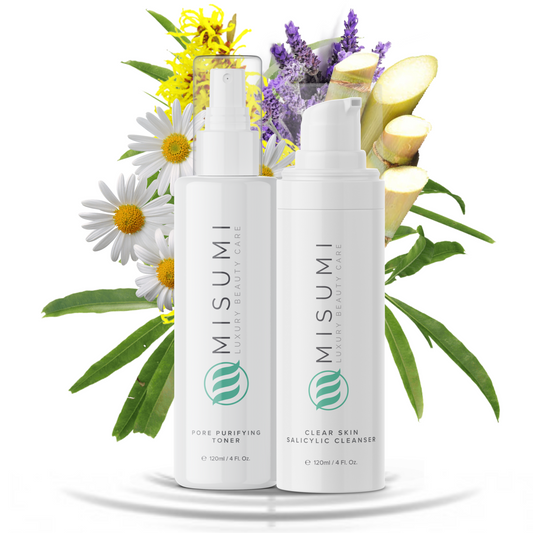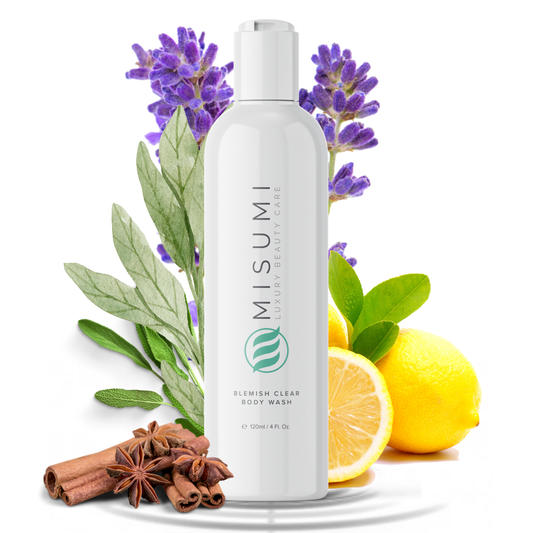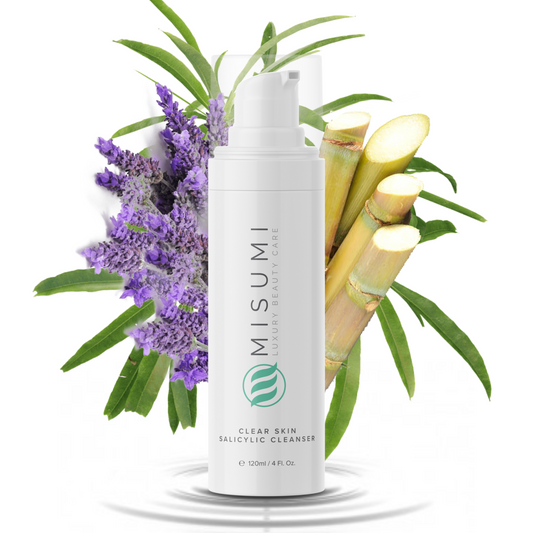

Australians are pretty good at taking care of themselves on the surface. The sunscreen, the serums, the carefully chosen cleanser sitting on the bathroom shelf.
But here is the thing: genuine health is a layered game, and the gap between a good skincare shelf and a genuinely healthy body is wider than most people realise.
The good news? Building a complete, modern health routine in Australia has never been more achievable. And it does not have to be complicated, expensive, or time-consuming.
This guide walks you through the full picture, from what you put on your skin each morning to how you manage what is happening inside your body, with practical steps that actually fit into real Australian life.
Why Skin Health Is Just the Starting Point
Your skin is not just a surface. It is your body's largest organ, and it has a habit of broadcasting what is going on internally whether you like it or not.
Persistent breakouts along the jawline can signal hormonal shifts. Dullness and dehydration often reflect poor sleep or low water intake. Unexpected redness or flare-ups can be your body waving a small flag about stress, gut disruption, or even medication side effects.
Skincare products do an impressive job of managing what happens on the outside. A good salicylic acid cleanser clears congestion. A retinol cream speeds up cell turnover. A quality SPF protects against UV damage that accumulates over decades. These things genuinely work.
But they work best when the internal environment supports them. That is why a truly complete health routine moves in layers, from the bathroom cabinet outward and inward at the same time.
Building Your Morning Skincare Foundation
Cleanse With Purpose, Not Habit
The morning cleanse is the most skipped or misused step in most people's routines. Many Australians rinse with water only, which is fine for some skin types, but those with oily or acne-prone skin benefit from a gentle active cleanser every morning.
Look for ingredients like:
- Salicylic acid for oily or congested skin
- Lactic acid for dry or sensitive skin needing gentle exfoliation
- Glycolic acid for dull skin needing a brightness reset
Avoid over-cleansing. Stripping the skin of its natural oils triggers more oil production, which defeats the whole purpose.
The Non-Negotiables: Moisturise and Protect
After cleansing, a lightweight moisturiser locks in hydration. Then comes the step that most Australians understand intellectually but still skip: SPF.
Australia has one of the highest rates of skin cancer in the world. UV damage is cumulative and invisible in the short term. A broad-spectrum SPF 30 or higher every single morning is not optional. It is the single most evidence-backed anti-ageing and skin-protective step available.
Targeted Treatments for Specific Concerns
If you are managing acne, hyperpigmentation, or early signs of ageing, add a targeted treatment after cleansing and before moisturiser. This is where ingredients like niacinamide, vitamin C, or benzoyl peroxide earn their place.
The key is not layering ten products. It is choosing two or three that address your actual skin concerns and using them consistently.
The Evening Routine: Recovery Mode
Skin repairs itself at night. That is not just marketing language. Cell regeneration peaks during sleep, and the products you apply in the evening have longer contact time and work in a lower-UV environment.
Double Cleanse When It Matters
If you wear sunscreen or makeup during the day, an oil-based cleanser first removes the surface layer before your regular cleanser cleans the skin underneath. This is where a lot of breakouts originate: inadequate cleansing that leaves residue in pores overnight.
Introduce Actives Slowly
Retinol is the gold standard evening active for most skin types. It accelerates cell turnover, reduces the appearance of fine lines, and helps with post-acne marks. But it needs to be introduced gradually, starting two or three nights per week, to avoid irritation.
Other useful evening ingredients include:
- Azelaic acid for redness and pigmentation
- Hyaluronic acid for barrier repair and hydration
- Peptides for collagen support over time
Finish with a moisturiser, and on drier nights or in winter, consider a face oil or occlusive balm to seal everything in.
Moving Beyond the Bathroom: Lifestyle Foundations That Change Everything
Here is where most skincare content stops, and it is the biggest gap in the conversation.
No serum in the world compensates for chronic poor sleep, a diet high in refined sugar, or unmanaged stress. These internal factors directly affect skin quality and overall health in ways that are measurable and significant.
Sleep: The Most Underrated Health Tool
Australians are chronically under-sleeping. The recommended seven to nine hours for adults is consistently not met across the population. Poor sleep elevates cortisol, which increases inflammation, which shows up directly on the skin as breakouts, puffiness, and dullness.
A consistent sleep schedule (same bedtime and wake time, including weekends) has more impact on skin and overall health than most supplements or treatments. It is free, and it works.
Hydration and Nutrition
Skin hydration starts from the inside. Drinking adequate water throughout the day, particularly in Australia's warm climate, directly affects skin plumpness, elasticity, and clarity.
From a nutrition standpoint, diets high in refined carbohydrates and sugar are strongly associated with acne flare-ups due to their effect on insulin and sebum production. An eating pattern rich in:
- Omega-3 fatty acids (found in salmon, walnuts, flaxseed)
- Antioxidants (found in berries, leafy greens, green tea)
- Zinc (found in pumpkin seeds, legumes, meat)
supports both skin health and broader systemic wellbeing.
Movement and Stress Management
Regular movement improves circulation, reduces cortisol, and supports lymphatic drainage, all of which visibly benefit the skin. It also has well-documented effects on mental health, cardiovascular health, and metabolic function.
Stress management deserves equal attention. Chronic stress is one of the most underdiagnosed contributors to persistent skin issues, digestive problems, hormonal imbalance, and immune suppression. Whether that looks like a daily walk, meditation, journaling, or simply protecting downtime, it counts.

When Self-Care Is Not Enough: Knowing When to Seek Medical Input
This is the part of the health conversation that gets skipped most often, and it is arguably the most important.
There is a version of skincare concern, a persistent hormonal breakout, a suspicious mole, an acne type that does not respond to topical treatment, that no product will solve. It requires a GP or dermatologist's assessment, possibly a prescription, and in some cases, investigation into what is happening internally.
The hesitation to seek medical help is understandable. Getting a GP appointment in Australia can mean waiting days or even weeks, navigating a bulk billing shortage, or simply not having the time to travel to a clinic during work hours.
The Telehealth Shift in Australian Healthcare
This is where the healthcare landscape in Australia has genuinely changed.
More Australians are now choosing to speak to an Australian telehealth doctor online to deal with exactly these concerns, quickly, from wherever they are. A skin concern that would have sat untreated for two weeks pending a clinic appointment can now be assessed the same day, with prescriptions sent directly to a phone or pharmacy.
Telehealth is not a lesser version of healthcare. It is a practical, clinically sound option for a wide range of concerns, particularly those that do not require physical examination or procedural treatment. The GP on the other end of the call is AHPRA-registered, the consultation is documented, and the prescription is legitimate.
For skin-related medical concerns, telehealth consultations can address:
- Hormonal or cystic acne that requires prescription medication
- Rosacea and chronic redness
- Referrals to dermatologists
- Skin infections like folliculitis or impetigo
- Topical or oral prescription treatment for eczema and psoriasis
Integrating Medical Care Into Your Regular Routine
The goal is not to see a doctor only when something goes wrong. The more sustainable approach is to integrate health check-ins as a routine part of your year, the same way you would schedule a dental visit or renew a script.
What a Proactive Health Calendar Looks Like
A practical annual health routine for most adults includes:
- Skin checks once a year, or more frequently for those with a history of skin cancer or significant sun exposure
- Blood tests covering thyroid function, iron, vitamin D, and cholesterol every one to two years
- GP review of any chronic condition or ongoing medication at least annually
- Mental health check-ins when stress or mood shifts feel persistent
Most of these do not require an in-person visit. A telehealth consult works well for reviewing test results, renewing scripts, discussing new symptoms, or getting a referral to a specialist.
Building the Habit of Proactive Health Management
The shift from reactive to proactive healthcare is a mindset one. Reactive health management means seeing a doctor only when things are bad. Proactive health management means checking in regularly, catching things early, and treating your body with the same ongoing attention you give your skincare routine.
For many Australians, the biggest barrier to consistent medical care has simply been access. Waiting rooms, limited clinic hours, and long booking queues all chip away at the intention to stay on top of health. That barrier has largely been removed. Australians who want to speak to an Australian telehealth doctor online can now do so within minutes, any day of the week, without leaving home. When the process is that straightforward, building a proactive health habit becomes far more realistic.

Bringing It All Together: Your Complete Health Framework
A genuinely complete health routine for a modern Australian looks something like this:
Daily habits:
- Morning cleanse, targeted treatment, moisturiser, SPF
- Evening cleanse, active treatment, moisturiser
- Seven to nine hours sleep
- Adequate hydration
- Whole food eating with limited refined sugar
Weekly habits:
- Regular movement (at minimum 150 minutes of moderate activity across the week)
- At least one intentional stress recovery activity
Annual or as-needed habits:
- Skin cancer check
- Blood work
- GP review of any ongoing prescriptions or conditions
- Mental health assessment if needed
None of this requires perfection. It requires consistency and the willingness to move through the layers, from the bathroom shelf to the body, from topical to systemic, from self-managed to medically supported.
Conclusion
The most well-curated skincare shelf in Australia cannot replace a functioning, complete health routine. And a complete health routine in 2025 includes knowing when and how to access medical care without it being a logistical ordeal.
Your skin is a reflection of what is happening across your whole system. Tending to that system, inside and out, is not a luxury. It is the foundation everything else builds on. Start where you are, add one layer at a time, and do not be afraid to bring a doctor into the conversation when the skin is telling you something your bathroom cabinet cannot fix.