
A short ingredient list is often the easiest way to spot traditional skincare
Walk down any skincare aisle and you'll find bottles with ingredient lists that read like a chemistry exam. Somewhere along the way, skincare turned into a subject you needed a degree to understand. It's no surprise that a growing number of women are stepping back from all of it and asking a simpler question: what did people actually put on their skin before all this?
That question is behind one of the more interesting shifts happening in beauty right now. Instead of chasing the next 12-step routine or the latest ingredient with a name no one can pronounce, more people are turning toward skincare that looks a lot like what their grandmothers used. Plain, recognizable, and often made from just one or two things.
The routine fatigue is real
Part of this shift comes down to sheer exhaustion. The average skincare routine has quietly grown from a cleanser and moisturizer into a lineup of serums, essences, toners, and treatments, each promising to solve a different problem. Somewhere between double cleansing and layering five different products before bed, a lot of women have simply had enough.
There's also a growing wariness about what's actually in these products. Long ingredient lists aren't inherently bad, but they can make it hard to know what's doing what, or whether a product is truly suited to your skin. When something feels off, tracing the cause back through fifteen ingredients isn't exactly straightforward.
Simple doesn't mean unsophisticated
There's a common assumption that a short ingredient list means a less "serious" product, but that's not really how it works. A lot of traditional skincare ingredients earned their place over generations simply because they did their job well and people kept using them. Staying power like that isn't nothing.
This is part of why ingredients like shea butter, beeswax, plant oils, and rendered animal fats have never fully disappeared from skincare, even as trends came and went. They were used long before "clean beauty" was a marketing term, mostly because they were what people had access to, and they worked well enough to stick around.
What "traditional" actually looks like today
Traditional skincare today isn't about rejecting modern products altogether. It's more about being selective. Many women are keeping a few trusted modern products in their routine while swapping out others for simpler, more familiar alternatives, particularly for things like dry skin, chapped lips, or general everyday moisturizing.
This might look like replacing a long-ingredient-list body lotion with a simple tallow balm. Or choosing a lip product with three ingredients instead of twenty.
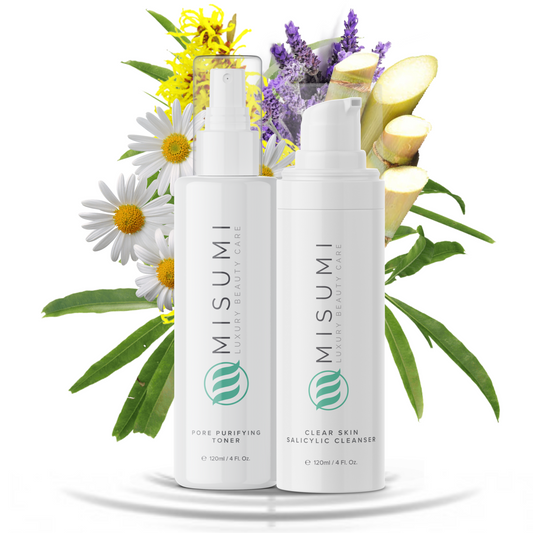
A short ingredient list is often the easiest way to spot traditional skincare.
It's less about strict rules and more about paying attention to what's actually going onto your skin and asking whether it needs to be that complicated.
A quieter kind of self-care
There's also something to be said for the mindset shift that comes with simpler skincare. A routine built around a few multi-purpose products tends to feel less like a chore and more like something you can actually keep up with. Fewer decisions, fewer products cluttering the bathroom counter, and less pressure to "get it right."
For a lot of women, this return to simpler ingredients isn't really about beauty trends at all. It's about wanting a routine that feels manageable, honest, and a little less overwhelming than what the industry has been selling for the last decade.
Where to start if you want to simplify
If any of this resonates, you don't need to overhaul your entire routine overnight. Start by looking at what you already use daily and asking which products you'd genuinely miss if they disappeared. From there, look at what's left and see if there's room to swap in something simpler, particularly for basics like moisturizing dry skin, softening rough patches, or an everyday lip balm. It's worth browsing the collection before deciding where to start.

A pared-back routine often starts with just one or two trusted products.
Traditional skincare ingredients aren't a trend chasing relevance. They're simply what's left standing after decades of newer, more complicated products have come and gone. That kind of staying power is worth paying attention to.