
Healthy aging is often discussed through the lens of skincare. People think about fine lines, dryness, pigmentation, loss of elasticity, and the products that can help maintain a healthy-looking complexion. But the skin is not separate from the rest of the body. It is a living organ that responds to circulation, nutrition, movement, hormones, sleep, stress, and the environment.
This becomes especially interesting when looking at the relationship between skin health and vein health. While a good skincare routine can help support the surface of the skin, healthy circulation plays an important role in delivering oxygen and nutrients throughout the body. Changes in the veins can also sometimes appear through the skin, particularly in the legs. For someone who has noticed persistent symptoms or changes in the appearance of their legs, seeking advanced care at a Great Neck vein center can be one way to better understand the underlying issue and discuss available options.
A head-to-toe approach to healthy aging therefore means looking beyond appearance alone. Taking care of the skin while paying attention to circulation, movement, and other aspects of physical health can create a more complete approach to aging well.
Aging Affects More Than What We See in the Mirror
Aging is a natural process, but it does not happen in exactly the same way for everyone. Genetics, sun exposure, lifestyle, stress, environment, and daily habits can all influence how the skin changes over time.
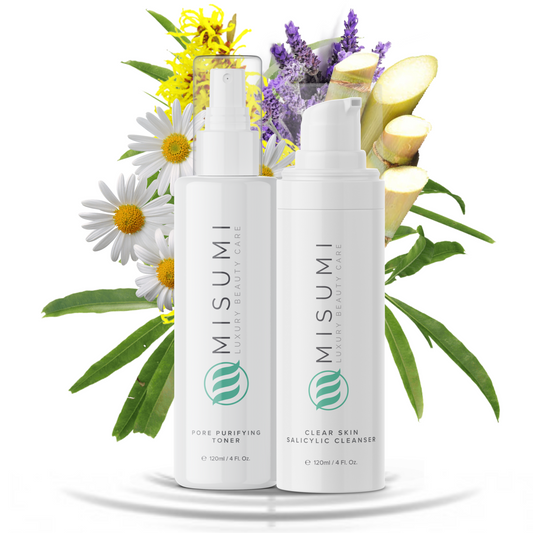
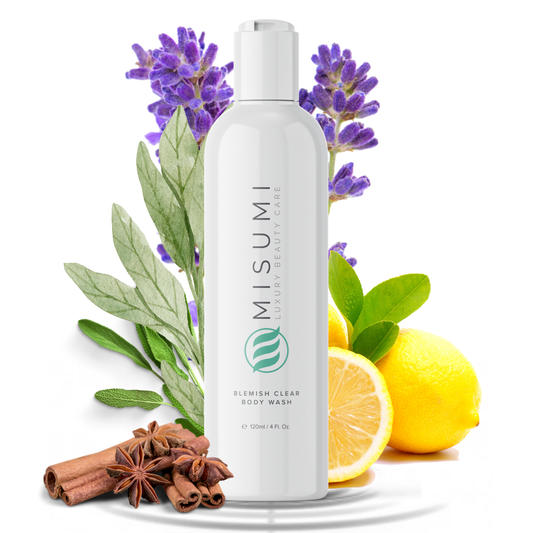
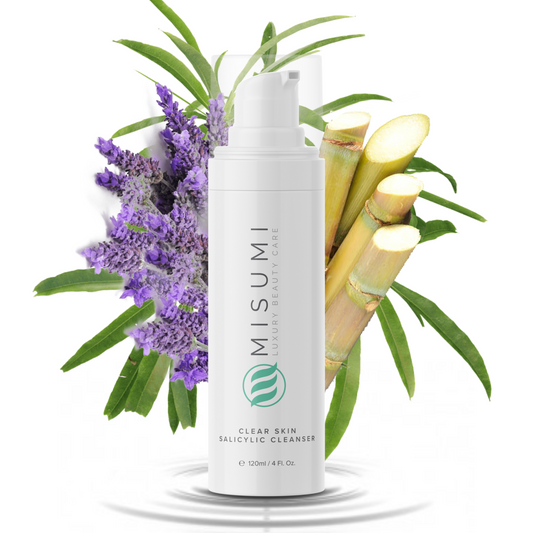
As people age, the skin can gradually become thinner and drier, while collagen and elastin production decreases. Fine lines may become more noticeable, and the skin may take longer to recover from environmental stress. Misumi Skincare's recent guidance similarly emphasizes that mature skin can respond differently to products and that skincare needs may change as people get older.
The changes happening below the surface also matter. Circulation, muscle activity, blood vessels, and the health of connective tissues all contribute to how the body functions and, in some cases, how changes eventually become visible on the skin.
That is why healthy aging should not be reduced to finding the right cream. Skincare has a role, but it is one part of a much larger picture.
How Circulation Supports Healthy Skin
The skin needs a steady supply of oxygen and nutrients to support its normal functions. Blood circulation is responsible for delivering oxygen and nutrients to tissues while helping carry away metabolic waste.
This does not mean that improving circulation will automatically erase wrinkles or reverse visible signs of aging. Skin aging is influenced by many factors, and no single lifestyle habit or treatment can stop the process.
Still, circulation is an important part of overall tissue health. Misumi's own recent discussion of the relationship between circulation and skin health points out that blood flow is an often-overlooked component of maintaining healthy skin.
The connection becomes particularly relevant in the lower legs, where the veins have the demanding job of helping return blood toward the heart against gravity.
Why Vein Health Becomes More Relevant With Age
Vein problems can become more noticeable as people get older. Spider veins and varicose veins are common examples, and some people may also experience symptoms such as leg heaviness, aching, swelling, cramps, or changes in the appearance of the skin.
Not every visible vein is a sign of a serious medical problem. Some are primarily cosmetic. However, visible changes can sometimes occur alongside underlying vein problems, which is why persistent symptoms deserve attention rather than being dismissed as simply another part of getting older.
Venous problems can also affect the skin in more advanced cases. Changes such as swelling, discoloration, or inflammation around the lower legs can occur when venous circulation is impaired. The Vein Specialist Centers notes that advanced venous insufficiency can be associated with edema, stasis dermatitis, skin discoloration, and venous ulcers.
The important takeaway is that skin changes on the legs can sometimes tell a larger story.
The Legs Tell a Different Story Than the Face
Skincare conversations tend to focus heavily on the face because it is the most visible part of the body. But the skin on the legs deserves attention too.
Dryness is common, particularly with age, and the lower legs can also show changes associated with circulation. Swelling around the ankles, persistent discoloration, visible veins, or changes in skin texture should not automatically be treated as cosmetic concerns.
This does not mean that every skin change indicates vein disease. There are many possible causes for changes in pigmentation, texture, swelling, or irritation. However, when these changes persist or occur alongside symptoms such as aching or heaviness, a medical evaluation can help determine what is happening.
A whole-body approach to healthy aging means recognizing that different parts of the body can require different types of care.
Movement Is Important for Both Skin and Vein Health
One of the simplest ways to support overall health is regular movement.
Walking and other forms of physical activity encourage the muscles of the legs to work regularly. The calf muscles, in particular, play an important role in helping move blood through the veins of the lower legs.
Movement also supports general cardiovascular health, strength, mobility, and independence as people age. These benefits extend well beyond appearance.
For people who spend long periods sitting or standing, adding regular movement breaks can be especially useful. A short walk, gentle stretching, or simply changing position throughout the day can be a practical way to avoid being inactive for long stretches.
Exercise should be appropriate for an individual's health and fitness level. Someone experiencing unexplained leg pain or swelling should not assume that more exercise is always the answer and may benefit from professional guidance.
Skincare Still Matters
Looking at vein health does not make traditional skincare less important. Daily skincare remains a valuable part of maintaining healthy-looking skin.
Cleansing helps remove accumulated dirt, oil, sunscreen, and environmental residue. Moisturizing supports hydration and can help reduce the uncomfortable effects of dryness. Sun protection is particularly important because cumulative UV exposure contributes significantly to visible skin aging.
Misumi's recent skincare guidance emphasizes a similar idea: healthy-looking skin is influenced by everyday habits rather than depending entirely on a single serum or treatment. Sleep, nutrition, stress management, cleansing, moisturizing, and sun protection can all contribute to a long-term approach to skin health.
The goal should not be to create an unnecessarily complicated routine. Consistency is usually more useful than constantly changing products.
Nutrition and Hydration Support the Bigger Picture
The skin and circulatory system are both part of a larger body, so overall wellness matters.
A balanced diet provides nutrients needed for normal tissue maintenance. Adequate hydration supports normal bodily functions, while regular sleep gives the body time to recover from daily stress.
None of these habits should be presented as a cure for vein disease or as a replacement for medical treatment. Instead, they form part of a healthy foundation that supports the body as a whole.
This broader perspective is particularly useful as people age. Healthy aging is rarely about one dramatic intervention. It is usually the result of many ordinary habits repeated consistently.
When Visible Veins Deserve More Attention
Spider veins and varicose veins are not necessarily dangerous simply because they are visible. However, symptoms can provide additional context.
Persistent aching, swelling, leg heaviness, cramps, skin discoloration, or changes around the ankle can be reasons to discuss vein health with a qualified healthcare professional.
A proper evaluation can help determine whether visible veins are primarily cosmetic or whether there is an underlying venous issue. The Great Neck location of Vein Specialist Centers explains that evaluation may include a venous ultrasound when needed to identify the underlying cause of spider or varicose vein symptoms.
This kind of assessment is important because treatment should be based on the individual's condition rather than appearance alone.
Modern Vein Care Can Be Minimally Invasive
People sometimes avoid discussing vein problems because they associate treatment with major surgery or lengthy recovery. Modern vein care can be different.
The Great Neck Vein Specialist Centers page describes several minimally invasive treatment options, including sclerotherapy and vein ablation, as well as treatments for spider and varicose veins.
The appropriate treatment depends on the individual's veins, symptoms, anatomy, and medical evaluation. Not everyone with visible veins needs treatment, and a consultation is the right place to determine whether intervention makes sense.
Healthy Aging Is About Function as Well as Appearance
There is nothing wrong with wanting skin to look healthy and youthful. But healthy aging becomes more meaningful when appearance and function are considered together.
Being able to walk comfortably, stay active, maintain healthy skin, sleep well, and participate in everyday activities all contribute to quality of life. Cosmetic improvements can be part of that picture, but they should not be the entire definition of wellness.
This is particularly important as people move through different stages of life. A skincare routine that worked at 25 may need adjustment at 40 or 50. Similarly, new leg symptoms should not simply be accepted as something that comes with age.
Paying attention to changes and responding appropriately can help people make better decisions about their health.
Creating a Head-to-Toe Approach to Wellness
A healthy-aging routine does not have to be complicated. It can begin with basic habits: protect the skin from excessive sun exposure, keep the skin appropriately moisturized, stay physically active, eat a balanced diet, get adequate sleep, manage stress, and pay attention to changes in the body.
The next step is knowing when something deserves professional attention.
A new or persistent skin change may be worth discussing with a dermatologist. Ongoing leg swelling, pain, visible vein changes, or skin discoloration may warrant a vein evaluation. Different concerns may require different specialists, and there is no need to treat every problem as if it has the same cause.
This is what makes whole-body healthy aging more useful than a purely cosmetic approach. It combines everyday self-care with appropriate professional attention when something changes.
Conclusion
Healthy aging from head to toe is about more than reducing the appearance of fine lines. Skin health and circulation exist within the same body, and changes in one area can sometimes provide clues about what deserves closer attention elsewhere.
A thoughtful skincare routine can support the skin's appearance and comfort, while movement, nutrition, sleep, sun protection, and other healthy habits contribute to overall wellness. At the same time, persistent vein-related symptoms should not automatically be dismissed as an unavoidable part of aging.
The goal is not to stop aging. It is to age with greater awareness of what the body needs.
When skincare, circulation, movement, and professional care are viewed as parts of the same bigger picture, healthy aging becomes less about chasing perfection and more about maintaining comfort, confidence, function, and quality of life for the years ahead.