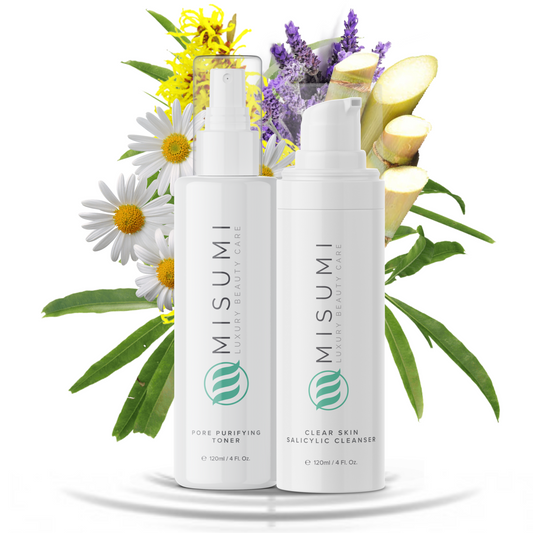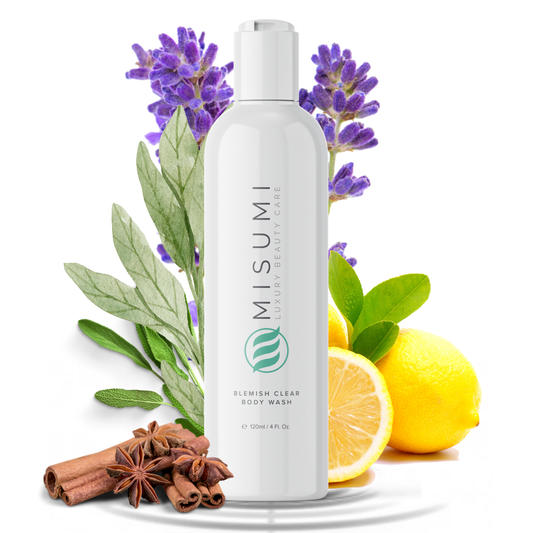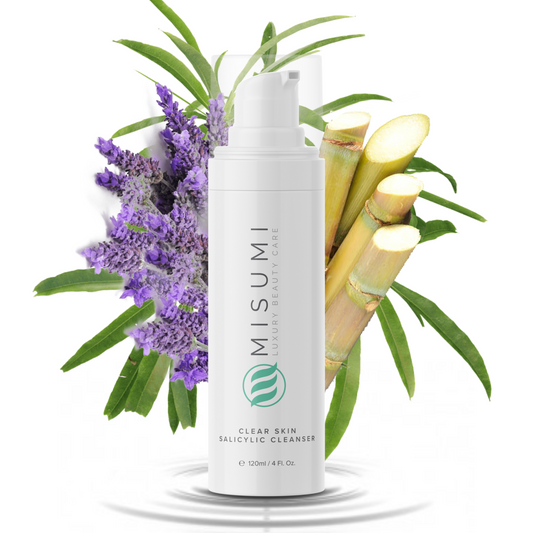

Oily skin produces enough sebum to create visible shine, especially through the forehead, nose, and chin. A useful routine manages excess shine while keeping the skin barrier comfortable and hydrated.
Personal presentation also matters in social settings, from work meetings to online dating, and someone browsing profiles of beautiful Ukrainian women for marriage may pay closer attention to grooming, confidence, and everyday self-care before meeting a potential partner.
What Oily Skin Actually Needs
Sebum protects the surface from excessive water loss, but high production leaves the face shiny and contributes to congestion when dead cells and oil collect inside pores. Morning and evening steps serve different jobs, so copying the same products twice a day wastes effort.
Clean Without Stripping
A gentle gel or foaming cleanser removes sweat, overnight oil, and surface residue without leaving the face tight. Very aggressive cleansers create discomfort and make barrier care harder.
Hydration Still Matters
Oily skin still needs water-binding ingredients. Glycerin draws moisture into the outer layers, while lightweight gel creams provide hydration without the heavy finish of rich occlusive formulas.
Choose Formulations Carefully
Labels such as non-comedogenic help identify products designed with clogged pores in mind. Texture matters as well: fluids, gels, and light emulsions sit more comfortably under sunscreen and makeup than dense creams.
What to Use in the Morning
Morning care prepares the face for daylight, heat, makeup, and environmental exposure. The goal is a clean surface, controlled shine, light hydration, and reliable UV protection.
Start With a Gentle Cleanser
Use lukewarm water and a mild cleanser for about 30 seconds, then rinse thoroughly. A morning wash removes sebum that accumulated overnight without turning cleansing into an aggressive scrub.
Add Oil-Control Support
Niacinamide works well in lightweight serums because it supports barrier function while fitting easily beneath other layers. Salicylic acid also appears in oily-skin routines because it travels into oil-rich pores, although daily frequency depends on individual tolerance.
Six useful morning checks keep the routine focused:
- Use only one leave-on exfoliating step at a time.
- Let serum absorb before applying moisturizer.
- Choose lightweight textures in humid weather.
- Keep heavy facial oils away from areas that clog easily.
- Test makeup over sunscreen before an important day.
- Reapply SPF when outdoor exposure continues for hours.
Use a Lightweight Moisturizer
A gel cream with glycerin, ceramides, or both gives hydration without a greasy finish. Ceramides support the outer barrier, which matters when cleansing or exfoliating ingredients are part of the routine.
Finish With Sunscreen
Broad-spectrum SPF belongs at the end of morning skincare. For oily complexions, fluid, gel, matte, or non-comedogenic formulas tend to sit better beneath foundation.
The table below shows where common ingredients fit into a morning routine and the specific role each one serves:
|
Morning Step |
Ingredient Example |
Main Role |
|
Cleanser |
Mild surfactants |
Removes overnight oil |
|
Serum |
Niacinamide |
Supports barrier and shine control |
|
Exfoliating step |
Salicylic acid |
Clears oil from pores |
|
Moisturizer |
Glycerin |
Adds water without heaviness |
|
Barrier support |
Ceramides |
Reinforces outer skin layers |
|
Sunscreen |
Broad-spectrum SPF |
Protects against UV exposure |
What Changes at Night
The evening routine focuses on removing the day rather than preparing for it. Sunscreen, makeup, pollution, excess sebum, and sweat all need to come off before leave-on treatments are applied. Night is also the better place for richer barrier support because there is no need to layer makeup or sunscreen over it.
Double Cleanse When Needed
If you wore water-resistant sunscreen or makeup, start with a cleansing balm, oil cleanser, or micellar step, then follow with a gentle water-based cleanser. Skip the first step on nights when there is little to remove.
Use Treatment Products Deliberately
Salicylic acid fits well at night when congestion is the main concern. Azelaic acid is another option for people focused on uneven tone, redness, or blemish-prone skin, although irritation signals mean the routine needs simplification.
Restore the Barrier
A moisturizer with glycerin and ceramides helps replace hydration after cleansing. Oily skin does not need a thick sleeping mask every evening; a light lotion or gel cream is enough for many routines.
Keep the Routine Simple Overnight
Stacking several exfoliating acids, retinoids, scrubs, and strong cleansers at once increases irritation risk. One targeted treatment plus moisturizer creates a clearer routine and makes it easier to identify which step is helping or causing discomfort.
Morning and Night Serve Different Purposes

Morning care is about protection, shine management, and compatibility with sunscreen or makeup. Evening care is about removal, treatment, and barrier recovery after a full day of exposure.
A simple split works well: cleanse, hydrate, and protect in the morning; remove buildup, use one targeted treatment, and support the barrier at night. Oily skin benefits most from consistency, balanced hydration, and formulas chosen for how they feel on the face rather than from trying to eliminate every trace of sebum.