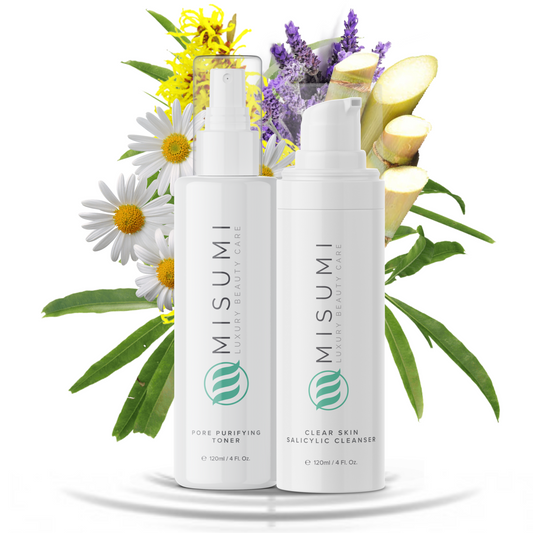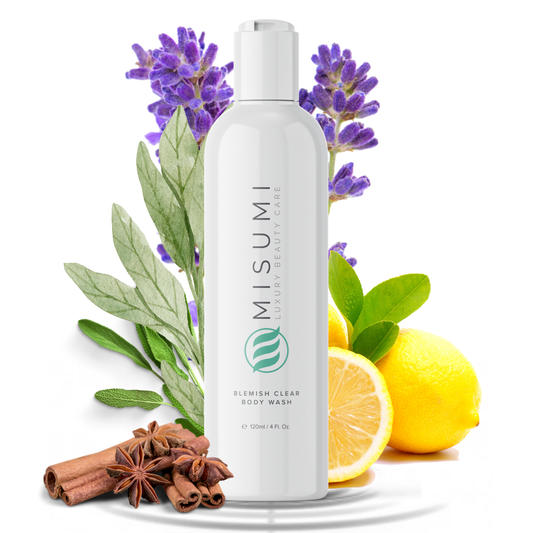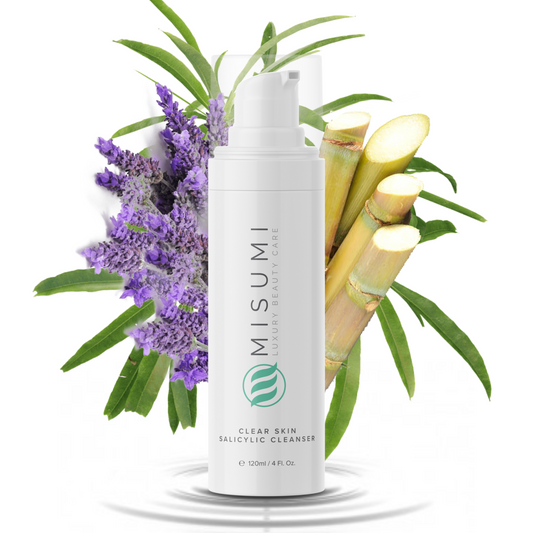

Luxury skincare earns its position through formulation quality, measurable performance, sensory comfort, and consistent care standards. Refined packaging may attract attention, but informed consumers look at ingredients, testing methods, sourcing practices, and expected results. A premium product must offer a clear reason to trust it. When each detail serves skin health, daily care feels considered, purposeful, and easier to maintain over time.
A Clearer Standard
A luxury skincare brand earns distinction by connecting ingredient quality with sound skin biology and responsible production. Consumers can assess whether a formula supports hydration, barrier function, elasticity, or protection from environmental stress. Clear usage directions also matter, since even an effective preparation may disappoint when applied incorrectly. This level of transparency gives shoppers beneficial information before they commit to a routine.
Ingredient Quality Matters
Premium skincare begins with purposeful ingredients, not impressive-sounding labels. Every component should serve a defined role, such as reducing water loss, improving suppleness, calming irritation, or supporting collagen production. Effective formulas also limit unnecessary fillers and explain active compounds in accessible language. That clarity helps consumers judge whether a product suits their skin type, concerns, and tolerance level.
Nature and Research
Plant extracts can provide antioxidant compounds, polyphenols, and soothing agents. Laboratory-tested ingredients may address hydration, uneven tone, or visible lines more precisely. A considered formula brings these sources together without treating nature and science as opposing ideas. Evidence remains essential, since botanical origin alone does not prove safety, stability, or clinical benefit.
Evidence Builds Trust
Prestige means little without reliable support. Clinical studies, instrumental measurements, dermatological reviews, and controlled user assessments can indicate how a product performs. Results still vary according to age, skin condition, climate, and routine consistency. Responsible companies acknowledge those differences instead of promising instant transformation. Realistic timeframes let consumers track changes and decide whether continued use makes sense.
Texture Shapes Daily Use
A routine works best when products feel comfortable with repeated use. Texture affects absorption, layering, residue, and compatibility with sunscreen or makeup. Lightweight emulsions may suit oily skin, while richer creams can reduce dryness during colder seasons. Different consistencies also help households address varied preferences without forcing every user into a single unsuitable preparation.
Packaging Has a Purpose
Attractive presentation has value, but protection comes first. Airless pumps, opaque containers, and secure closures can help preserve sensitive compounds against oxidation, light exposure, and contamination. Dispensing design also supports consistent dosing, which improves routine accuracy. Materials, weight, and finish may communicate craftsmanship, yet appearance should never replace formula stability or practical handling.
Consistency Across the Range
A credible skincare collection follows shared standards across cleansers, serums, moisturizers, and body care. Products should complement one another without requiring excessive layering or unnecessary purchases. Compatible textures simplify application, while consistent ingredient principles reduce confusion. Clear morning and evening guidance helps consumers place each item correctly, especially when combining active treatments with barrier-supportive creams.
Responsible Values Add Depth
Consumers increasingly examine sourcing, labor practices, production methods, and packaging waste. Meaningful responsibility requires specific information, not unverifiable broad claims. Careful agriculture, measured water use, recyclable components, and transparent manufacturing records can strengthen confidence. Ethical conduct also reflects a wider view of skin health, connecting personal care with the conditions that support people and nature.
Service Makes the Difference
Expert guidance can improve product selection, particularly for sensitive or reactive skin. Consultations, ingredient explanations, usage support, and responsive customer care give consumers more control over their routine. Helpful service should inform, not pressure. It can also identify unsuitable combinations, explain adjustment periods, and encourage medical advice when persistent redness, pain, or unusual changes require professional assessment.
Value Extends Beyond Price
A higher cost should reflect stronger performance, superior materials, thoughtful testing, and dependable support. Consumers may accept premium pricing when a preparation lasts well, feels comfortable, and addresses a defined concern. A focused regimen can also reduce waste caused by random purchases. True value comes from useful results, consistent quality, and satisfaction that lasts beyond the first use.
Conclusion
A luxury skincare brand distinguishes itself through disciplined formulation, credible testing, comfortable textures, functional packaging, responsible conduct, and informed customer care. Beautiful presentation may create initial interest, but lasting confidence depends on skin compatibility and dependable performance. Consumers benefit when companies explain their choices, set realistic expectations, and respect individual needs. The strongest labels make daily care feel refined while keeping health, evidence, and practical use at the center.