
Image generated by Gemini
A med spa ad, an influencer reel, a clinic post promising glass skin: the pitch is easy to read. Working out whether the product in the syringe is approved and properly prescribed, and whether the person holding it is licensed to inject at all, takes more effort. Two questions cover most of it: what's in the vial, and who is administering it.
Interest is climbing quickly. Popularity isn't evidence. What follows is what to verify before you agree to any of it: the injector's credentials and the pharmacy behind the vial.
Why skin-brightening injections are getting more attention
What clinics usually mean by “brightening”
“Skin-brightening injection” is a marketing umbrella, not a standardized protocol. It can point to a more even-looking tone or a softer look to stubborn hyperpigmentation. What it never tells you is whether the product carries FDA approval for that use on your skin.
Glutathione is the ingredient most often sitting under the word. Reduced glutathione (GSH) accounted for roughly 60% of global distribution in 2025, and in cosmetic shots it's usually prescribed off-label, which shifts the burden of safety onto the pharmacy that prepared the dose and the clinician who ordered it. So before you book a treatment involving injectable glutathione, Medivera recommends get the name of the pharmacy that compounded the vial, then ask whether an outside lab tested that batch for sterility.
Why the safety conversation has intensified
Consumer demand has outrun the evidence more than once in the past year. The regulatory argument is unsettled. The missing data hasn't changed.
Counterfeit supply is the other pressure. The UK Health Security Agency counted at least 41 clinically confirmed cases of iatrogenic botulism last year linked to unlicensed injectable products, and at least 40 people were hospitalized after procedures performed by beauticians using unlicensed versions of botulinum toxin.
The brightening category attracts unsafe formulations too. Maharashtra's FDA tied mercury and lead in imported fairness creams to kidney disease in 18 women, and separately ordered an immediate halt to the sale and stocking of three named cosmetic products that lacked mandatory labeling details. Those are creams rather than injections, and they show what the promise of lighter skin pulls into the market.
Start by translating the advertising into plain description. The phrase on the treatment menu tells you what the clinic wants you to picture; the second column is closer to what may be in the syringe.
|
What you may see advertised |
What it can actually mean |
|
“Skin-brightening injection” |
Not a standardized term |
|
“Glutathione shot” |
May be compounded |
|
“Peptide glow injection” |
Unclear without exact ingredient details |
|
“Vitamin whitening drip” |
Mixed ingredients, often wellness-branded |
|
“Botox/filler for skin quality” |
May involve unregulated products |
Your pre-booking safety checklist
Ten questions. Keep them on your phone during the consultation, and watch how the clinic reacts as closely as you listen to what it says.
- Who is holding the syringe: Ask for the name and license number of the person injecting you, not the clinic's registration. A physician's scope isn't a nurse practitioner's, and a physician assistant or a registered nurse working under supervision operates under different limits again. Med spa settings don't change any of that. A clinic that mentions a “medical director on file” but won't say who is actually injecting you has answered the question.
- Approval status for that exact use: There's a real difference between an FDA-approved product and an approved product used off-label, and a compounded preparation sits outside both. Those categories aren't interchangeable. A product can be legally prescribed without being approved for cosmetic brightening; a good clinic says so before you ask.
- The chemical name, not the marketing name: Ask for every active ingredient and its concentration, in writing, before you sign consent. “Glow booster” describes a mood rather than a formulation, and the labeling case above shows what vague packaging can hide.
- How the vial reached the clinic: USP sets standards for medication quality, and PCAB accreditation confirms quality in sterile and nonsterile compounding, so ask which USP standards apply and request the pharmacy's state license number so you can verify it yourself. Pharmacy oversight matters.
- Evidence for your specific concern: Melasma doesn't behave like post-inflammatory hyperpigmentation, and neither behaves like general dullness, so ask which of them the peer-reviewed evidence covers. A biological mechanism is not a clinical outcome. Glutathione comes up because of its relationship to melanin pathways, and that relationship doesn't make a given injectable protocol standardized or risk-free.
- Side effects and the emergency plan: Ask about allergic reactions and infection, and about tissue damage when product lands where it shouldn't. Delayed inflammatory reactions and contamination remain real problems in loosely regulated settings. The MHRA has confirmed that counterfeit injections can cause difficulty swallowing, slurred speech, difficulty breathing, and muscle weakness within a month of treatment. Confirm the clinic keeps emergency medication on site and works from a written response plan.
- Storage and handling: Refrigeration protocol and lot tracking should be answerable in a sentence or two. If nobody can tell you the expiry date or whether the vial is single-use, don't let anyone draw from it.
- No self-injection kits, no “research grade” vials: Reports involving injectable medications used at home rose more than 19-fold in a year in one market. Since the FDA pulled those peptides from compounding lists, some have surfaced online labeled “research grade” with no human safety data behind them, and nothing about a checkout page tells you what is in the bottle or whether it was ever sterile.
- A consultation that looks past your selfies: A real assessment asks about your health conditions and allergies. It asks whether you're pregnant or breastfeeding. It asks for every medication and supplement you take, because interactions are the whole point of the question. A firm recommendation for an invasive treatment after a glance at a few photographs is a clinical red flag.
- Pressure tactics: “Limited-time package” and “celebrity favorite” are sales copy, not clinical information, and neither is a request for payment before you've read a consent form.
Red flags that end the conversation
If the provider won't name the chemical or the pharmacy, stop there. Irritation at the question tells you where that clinic ranks on caution.
Written consent and aftercare instructions belong in your hands before anything is prepared. Lot numbers too, where they apply, along with a written explanation of what to do if something goes wrong at midnight. Skip that step, and you have nothing to hand an emergency department.
Most state medical boards let you verify a license online in about a minute. Do that.
Then there are the guarantees: “works for everyone,” “zero risk.” Both contradict how skin behaves. An injector who calls a product “FDA approved” without naming the product and its approved indication isn't describing approval, and every cosmetic intervention carries risk that an honest provider will raise before you do.
Safer ways to treat uneven tone first
Daily sunscreen
Fading dark spots and balancing your complexion really begins with one daily non-negotiable: applying broad-spectrum SPF 30+ every single morning. Unprotected UV worsens dark spots and deepens post-inflammatory marks, and it triggers melasma flares across every skin type. Daily, consistent sun protection prevents melanin production from spiking, making it a far simpler and safer intervention than trying to inhibit melanin chemically with injections.
Retinoids and the pigment-friendly actives
A nightly retinoid encourages cell turnover, with decades of research behind it. Azelaic acid and niacinamide have evidence too, and topical vitamin C plus gentle chemical exfoliation help with dullness. Topical tranexamic acid can target stubborn discoloration when a dermatologist recommends it. The unregulated quick-fix creams flagged earlier sit at the opposite end of that spectrum.
Treat acne and the marks it leaves
Plenty of people chasing “brightening” are really trying to fade post-inflammatory marks from breakouts. Control the active acne first, then work on the marks. If you want the practical version of how to even out your skin tone, blemish control is the front end of it. Over-the-counter brightening serums often can't reach entrenched post-inflammatory erythema or textural scarring, which is where prescription-strength retinoids and in-office resurfacing come in. Learning what to use before and after dermaroller sessions helps as well, with a professional guiding the sessions.
Rejuvenate your skin with a safer daily routine from Misumi
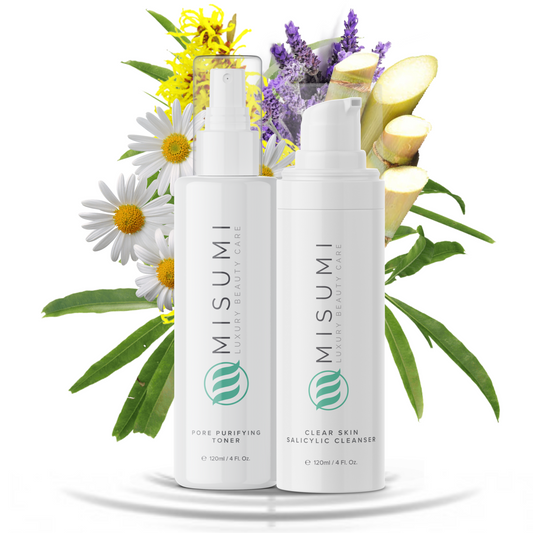
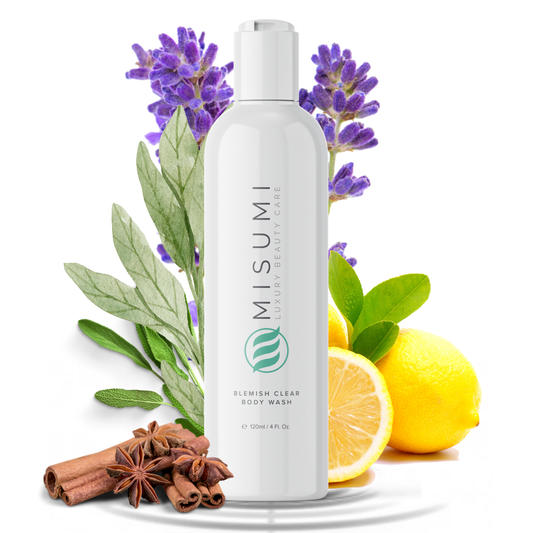
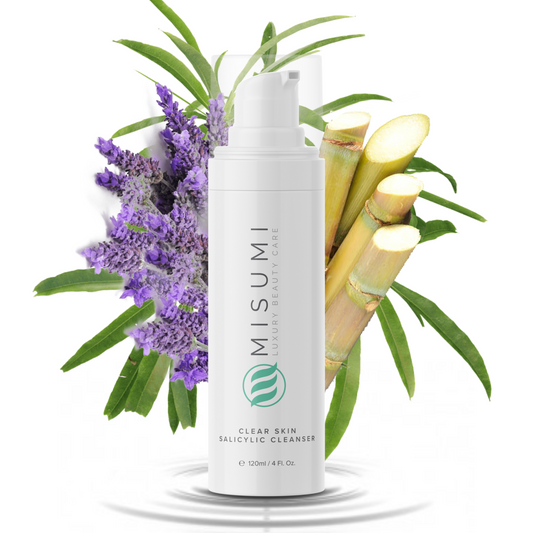
If the goal is clearer, more even-looking skin, a consistent topical routine comes before anything invasive. Gentle exfoliation and steady acne control reduce the look of congestion and post-breakout marks over weeks rather than minutes, and hydration keeps the barrier intact while that happens. Explore the Misumi Complete Clear 3-Step System to build a routine that supports brighter-looking skin without the uncertainty of an elective injectable.
When a dermatologist beats a med spa appointment
A board-certified dermatologist can prescribe hydroquinone where it's appropriate and calibrate a peel to your skin. Lasers and microneedling handle scarring, in a sterile room, with follow-up built in. The bigger advantage is diagnostic: vascular redness and textural scarring both get called “brightening” problems by patients, and they respond to entirely different tools, so if you can't yet name what you're treating, an injection is a guess with a needle attached.
Dark spots that keep coming back
Pigment that returns despite consistent over-the-counter care usually points to something underneath, whether that's melasma, a hormonal trigger, or ongoing inflammation. A physician can identify the driver and build a long-term plan around it. That's a different exercise from masking a symptom for one season.
A history of allergies or injection reactions
If you've had severe allergic reactions before, or you live with an autoimmune condition, you need individual screening rather than a trend protocol. A dermatologist can read that history and steer you away from compounds likely to set off an inflammatory response.
The smartest question to ask before you book
Never book an invasive procedure off edited before-and-after photos. A good provider can name the product, say where it came from, and explain why it suits your skin without reaching for a brochure.
Sunscreen and steady acne care work slowly, and physician-guided pigment treatment isn't fast either. Together, they remain the most established route to an even complexion. The trade-off is time. Give it that time.
FAQ
Is glutathione FDA-approved for skin brightening?
No. The FDA has not approved any injectable drug—including glutathione—for skin whitening, bleaching, or brightening. The agency has issued safety warnings highlighting that unapproved glutathione injections carry serious health risks, including liver and kidney damage, severe skin reactions, and infection risks from unsterile compounding. Any glutathione injection offered for cosmetic lightening is being used off-label or unapproved.
Are skin-brightening injections safe at med spas?
It depends on the facility, and you can only judge it case by case. Your risk comes down to the injector's qualifications and where the product legally came from, and the botulism cases above show what happens when either one is missing. If a clinic can't walk you through side effects and its emergency protocol, decline and leave.
What's the safest way to even out skin tone?
Sunscreen first, daily, then a topical routine a dermatologist signs off on. Slower than a shot, and the only version with decades of clinical data behind it.
Should I avoid online injection kits?
Yes. Sterility and actual contents are unknowable for anything bought from an unverified vendor, and injection of silicone can cause infections and embolism (blockage of a blood vessel). Injectable medication belongs to a prescription and a licensed pharmacy.